
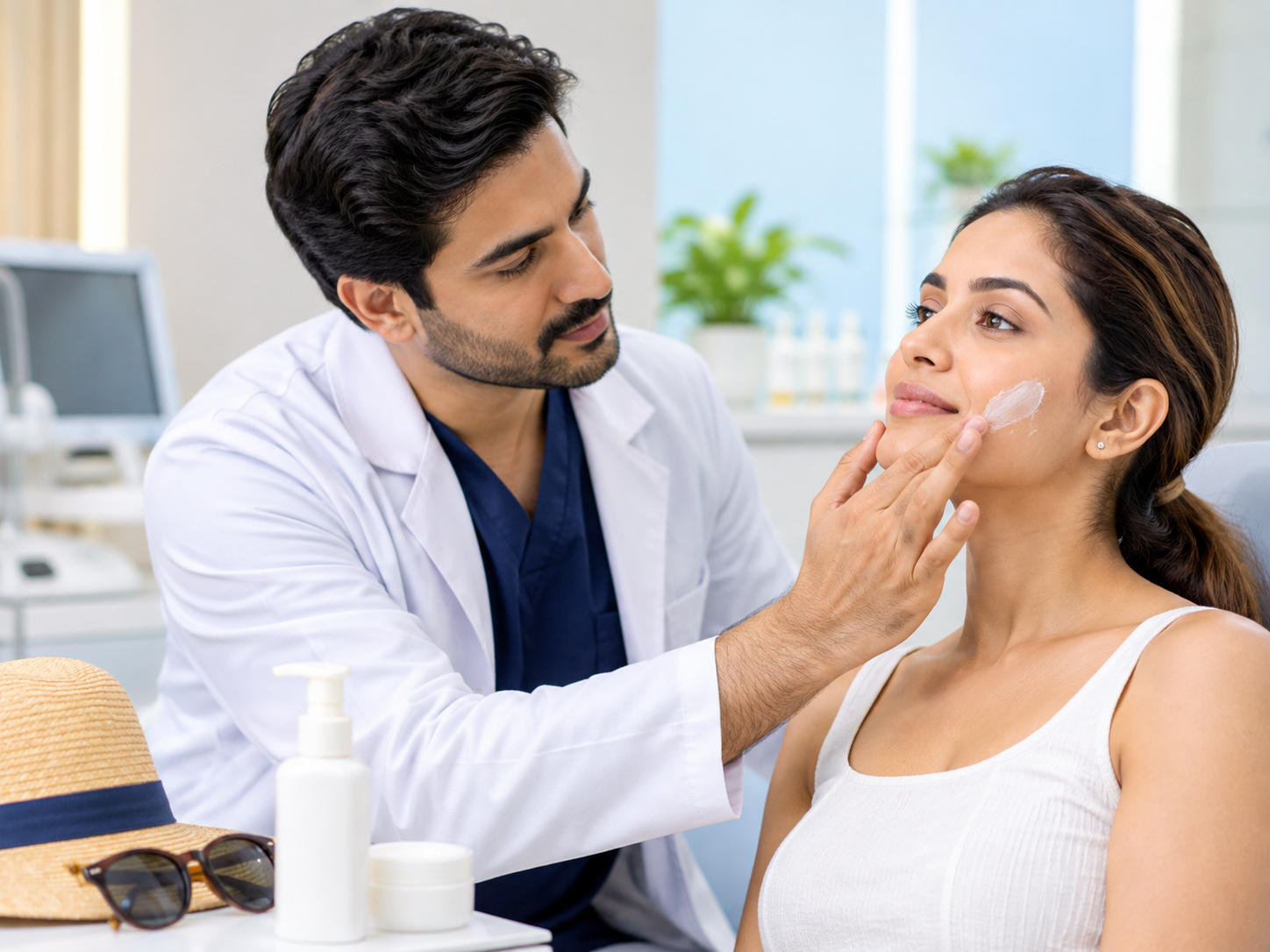
A beach vacation is a wonderful way to relax, enjoy the sunshine, and recharge. However, prolonged exposure to sunlight, saltwater, sand, humidity, and wind can leave your skin feeling dry, dull, irritated, and more sensitive than usual. Even if you use sunscreen during your holiday, your skin may still need extra care after returning home.
Restoring your skin after a beach vacation requires a gentle skincare routine focused on hydration, soothing irritation, repairing the skin barrier, and addressing sun-induced pigmentation. With the right skincare habits, you can help your skin recover its natural softness, comfort, and healthy appearance.
Why Does Your Skin Need Recovery After a Beach Vacation?
Beach environments expose your skin to several factors that can affect its health and appearance.
- Sun exposure: UV radiation can cause sunburn, pigmentation, uneven skin tone, and premature ageing.
- Saltwater: Seawater can leave the skin feeling tight and dry by contributing to moisture loss.
- Sand: Sand particles may irritate sensitive skin and cause friction.
- Heat and humidity: Excessive sweating can contribute to clogged pores, acne, and skin irritation.
- Wind exposure: Wind can weaken the skin’s protective barrier and increase dryness and sensitivity.
These factors may make your skin appear dull, rough, dehydrated, or uneven in tone after your holiday. A post-vacation skincare routine can help restore balance and support the skin’s natural healing process.
1. Start with a Gentle Cleansing Routine
After returning from the beach, your skin needs cleansing to remove sunscreen, sweat, salt, sand, and environmental impurities. However, using harsh cleansers or washing your face excessively can make dryness and irritation worse.
Choose a gentle, hydrating cleanser that does not strip away your skin’s natural oils. Wash your face with lukewarm water and avoid aggressive scrubbing, especially if your skin feels sensitive or sunburned.
A simple cleansing routine helps your skin feel refreshed while maintaining its natural moisture balance.
2. Restore Lost Moisture with Hydrating Skincare
One of the most common skin concerns after a beach vacation is dehydration. Sun exposure and environmental conditions may leave your skin feeling tight, flaky, or rough.
Use a moisturiser containing skin-supporting ingredients such as:
- Hyaluronic acid: Helps attract and retain moisture in the skin.
- Ceramides: Support the skin’s protective barrier.
- Glycerin: Helps maintain hydration.
- Panthenol: Helps soothe and moisturise irritated skin.
Apply moisturiser regularly, especially after cleansing and showering. Well-hydrated skin often feels smoother, more comfortable, and appears healthier.
3. Soothe Sun-Exposed and Irritated Skin
If your skin feels warm, red, or irritated after spending time outdoors, prioritise soothing skincare instead of using active ingredients.
Aloe vera-based products and cool compresses may help calm mild sun-related discomfort. Avoid hot showers, rough towels, fragranced skincare products, and strong exfoliants until your skin has recovered.
If you develop severe sunburn, blistering, significant swelling, fever, or worsening pain, seek medical attention rather than relying on home remedies.
4. Address Tanning and Uneven Skin Tone
Beach vacations can sometimes result in tanning, dark spots, or uneven pigmentation due to UV exposure. While tanning may gradually fade, persistent pigmentation can require a more targeted skincare approach.
Once your skin has recovered from irritation, a dermatologist may recommend suitable ingredients such as vitamin C, niacinamide, or other pigmentation-focused treatments depending on your skin type and concern.
Avoid immediately using strong chemical peels, retinol, or aggressive exfoliating products on sun-damaged or sensitive skin. Introducing too many active ingredients at once can worsen irritation.
Consistent sunscreen use is essential to prevent pigmentation from becoming darker and to support your skin’s recovery.
5. Avoid Over-Exfoliating Your Skin
Many people try to remove their tan or dullness quickly by using scrubs, exfoliating acids, or cleansing brushes. However, exfoliating skin that has recently experienced prolonged sun exposure can increase sensitivity, redness, and damage to the skin barrier.
Give your skin enough time to recover before introducing exfoliation. When your skin is no longer irritated, gentle exfoliation may help improve texture and remove dead skin cells, but it should be used carefully and according to your skin’s needs.
Healthy skin recovery is gradual. Avoid expecting your tan or pigmentation to disappear overnight.
6. Keep Your Skin Hydrated from Within
Skincare products are only one part of maintaining healthy skin. Proper hydration and a balanced diet can also support overall skin health.
After your vacation, make an effort to:
- Drink enough water throughout the day.
- Include fresh fruits and vegetables in your diet.
- Eat foods rich in antioxidants.
- Get adequate sleep.
- Avoid excessive alcohol consumption.
- Maintain a consistent skincare routine.
These habits support your body’s natural recovery processes and help your skin look fresh and healthy.
7. Continue Using Sunscreen Every Day
Your skin needs sun protection even after your beach vacation ends. Daily exposure to UV radiation can worsen pigmentation, contribute to premature ageing, and delay the recovery of sun-exposed skin.
Choose a broad-spectrum sunscreen with SPF 30 or higher and apply it generously to exposed areas. Reapply every two hours when outdoors and after swimming, sweating, or wiping your skin.
You can also protect your skin by wearing sunglasses, hats, and protective clothing and by limiting direct sun exposure during peak UV hours.
When Should You Consult a Dermatologist?
If your skin continues to experience dryness, persistent redness, itching, pigmentation, acne breakouts, or unusual changes after your beach vacation, professional evaluation may be helpful.
A dermatologist can assess your skin condition and recommend an appropriate treatment plan based on your concerns. Professional guidance is particularly important for persistent pigmentation, severe sunburn, allergic reactions, or skin irritation that does not improve with basic skincare.
Restore Healthy Skin with Dr. Harish Balaji
Post-vacation skin concerns such as dehydration, tanning, pigmentation, dullness, and sensitivity may require a personalised skincare approach. Understanding your skin type and the extent of sun exposure is important before choosing skincare products or professional treatments.
Dr. Harish Balaji focuses on evaluating individual skin concerns and providing guidance for healthier-looking skin. If your skin has not recovered after your beach vacation, a professional consultation can help you understand the cause of your concerns and explore suitable treatment options.
Rather than experimenting with multiple products, choosing skincare based on your skin’s condition can help you achieve more comfortable, balanced, and healthier-looking skin.
Conclusion
A beach vacation can leave your skin feeling dry, dull, tanned, or irritated due to prolonged exposure to sun, saltwater, sand, and heat. Restoring your skin after a holiday starts with gentle cleansing, proper hydration, soothing skincare, daily sunscreen, and avoiding aggressive exfoliation.
Give your skin time to recover and maintain a consistent skincare routine. If pigmentation, irritation, or sun damage persists, consulting a dermatologist can help you find the right solution.
With proper care and guidance from Dr. Harish Balaji, you can work towards restoring your skin’s natural balance, improving its appearance, and maintaining healthy skin long after your vacation ends.