
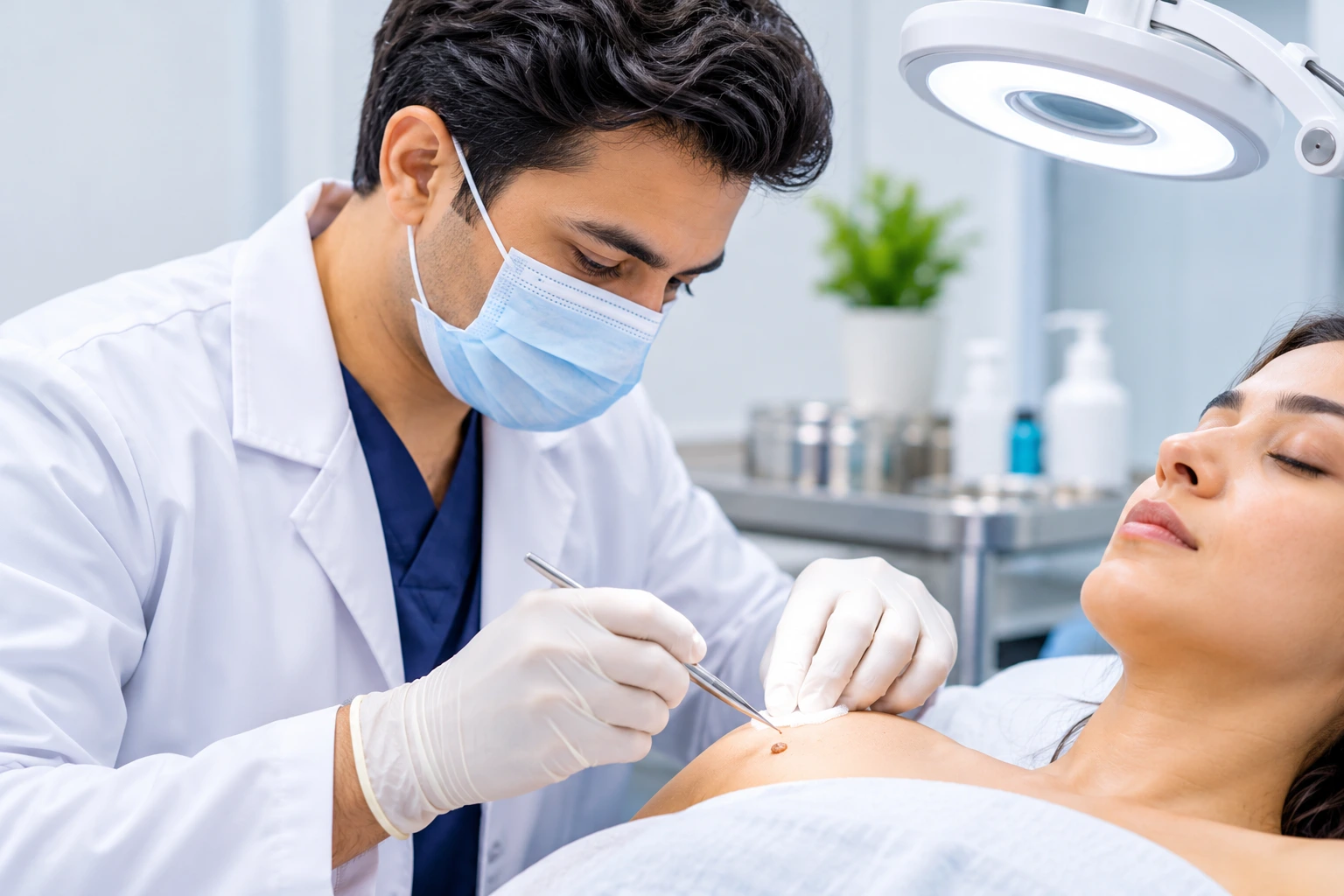
Skin health plays an important role in overall confidence and well-being. While many skin conditions can be managed with medications and non-invasive treatments, certain concerns may require specialised surgical procedures. Surgical dermatology offers effective medical solutions for addressing various skin conditions through carefully planned procedures performed by qualified dermatology professionals.
For individuals looking for advanced skin care solutions, understanding surgical dermatology in Mumbai can help them make informed decisions. Dr. Harish Balaji focuses on addressing different skin concerns through personalised dermatological care and appropriate treatment approaches.
What Is Surgical Dermatology?
Surgical dermatology is a specialised area of dermatology that involves medical procedures to diagnose, treat, or remove specific skin conditions. These procedures are generally performed to manage skin growths, lesions, cysts, scars, and other concerns that may not respond adequately to conventional treatments.
Depending on the patient’s condition, a dermatologist may recommend minor surgical procedures or more specialised interventions. The treatment approach depends on factors such as skin type, medical history, the size and location of the affected area, and the underlying condition.
People considering surgical dermatology in Mumbai should consult an experienced dermatology professional to understand which treatment options are suitable for their individual needs.
Common Skin Conditions Treated Through Surgical Dermatology
Surgical dermatology addresses a wide range of skin concerns. Some commonly managed conditions include:
1. Skin Tag Removal
Skin tags are small, soft growths that commonly develop around the neck, underarms, eyelids, and other body areas. Although they are generally harmless, they may cause discomfort or cosmetic concerns. Depending on their size and location, a dermatologist may recommend suitable removal techniques.
2. Mole Evaluation and Removal
Moles are common skin growths that can vary in colour, shape, and size. While most moles are harmless, changes in their appearance may require medical evaluation. A dermatologist can examine suspicious moles and recommend monitoring, biopsy, or removal when medically appropriate.
3. Cyst Removal
Skin cysts are closed pockets that may develop beneath the skin. Some cysts remain small, while others may become enlarged, inflamed, or infected. Surgical removal may be recommended depending on the type, size, and condition of the cyst.
4. Scar Revision Treatment
Scars can develop following injuries, acne, burns, or previous surgical procedures. Some scars may become raised, thick, or uneven. Depending on the scar type, treatment options may include surgical scar revision or other dermatological procedures to improve their appearance.
5. Biopsy of Skin Lesions
A skin biopsy involves collecting a small sample of skin tissue for laboratory examination. It helps dermatologists investigate unusual skin changes and identify certain skin conditions. The procedure may be recommended when a more accurate diagnosis is required.
Why Is Surgical Dermatology Important?
Not every skin concern can be treated effectively with creams, medications, or cosmetic procedures. In certain situations, surgical dermatology provides a more appropriate solution.
Some important benefits include:
- Accurate Diagnosis: Skin biopsies can help identify specific skin conditions.
- Targeted Treatment: Procedures address particular growths, lesions, or affected areas.
- Medical Management: Certain conditions can be treated through appropriate surgical intervention.
- Improved Skin Appearance: Selected procedures may help improve the appearance of scars and unwanted skin growths.
- Personalised Care: Treatment recommendations can be based on individual skin conditions and medical requirements.
The suitability and expected results of any procedure depend on the patient’s condition and professional medical assessment.
Surgical Dermatology in Mumbai with Dr. Harish Balaji
Choosing the right dermatologist is an important step when considering a skin-related surgical procedure. Patients should look for appropriate medical qualifications, experience, hygienic clinical practices, and a personalised approach to treatment.
Dr. Harish Balaji is a name associated with dermatological care for individuals seeking solutions for different skin concerns. Patients exploring surgical dermatology in Mumbai can consider a professional consultation to discuss their skin condition, available procedures, potential risks, and expected recovery.
A proper consultation helps determine whether a surgical procedure is necessary or whether alternative dermatological treatments may be more appropriate.
What to Expect Before and After a Dermatological Procedure?
Before recommending any procedure, a dermatologist generally examines the affected skin area and reviews the patient’s medical history. The treatment plan may include discussing the procedure, possible side effects, recovery time, and aftercare requirements.
After a procedure, following medical instructions is essential for proper healing. Patients may be advised to:
- Keep the treated area clean and follow wound-care instructions.
- Avoid unnecessary touching or scratching.
- Use prescribed medications as directed.
- Protect healing skin from excessive sun exposure.
- Attend recommended follow-up appointments.
Recovery time varies depending on the procedure and individual healing response.
How to Choose the Right Surgical Dermatology Treatment?
Before undergoing any skin procedure, patients should understand their diagnosis and available treatment options. Not every skin growth requires removal, and not every scar needs surgical intervention.
Consider the following factors:
- Consult a qualified dermatology professional.
- Understand the nature of your skin condition.
- Discuss suitable treatment alternatives.
- Ask about possible complications and recovery.
- Follow the recommended aftercare routine.
Making an informed decision helps patients approach treatment with realistic expectations.
Conclusion
Surgical dermatology provides valuable solutions for managing various skin concerns, including cysts, skin tags, suspicious moles, scars, and other skin lesions. With appropriate diagnosis and individualised treatment planning, patients can explore suitable medical options for maintaining healthier skin.
If you are considering surgical dermatology in Mumbai, consulting Dr. Harish Balaji can be a starting point for understanding your skin concerns and exploring appropriate treatment options. Professional evaluation, personalised care, and proper aftercare are essential parts of a responsible approach to skin health.