
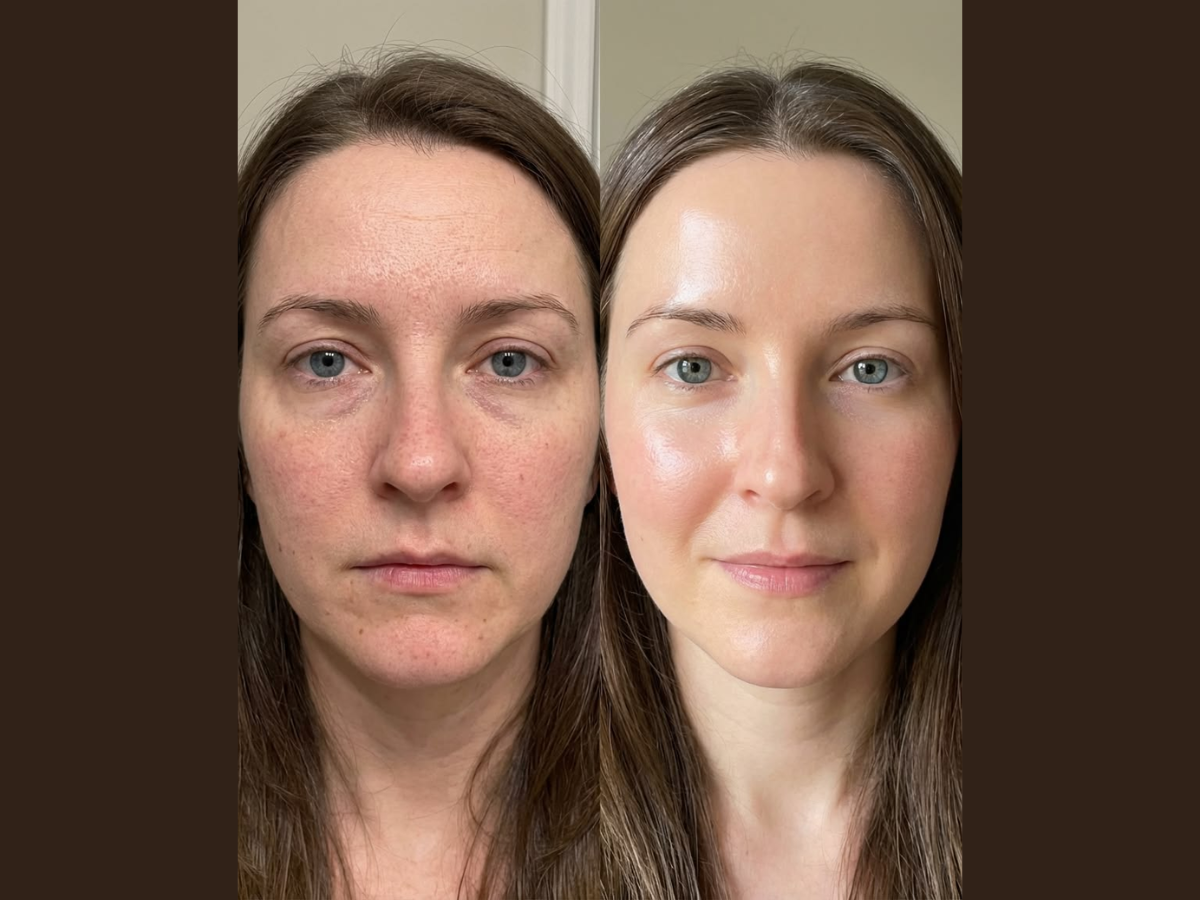
Skin discoloration after acne, burns, eczema, or other skin injuries is a common concern that affects people of all skin types, especially those with medium to darker skin tones. This condition is known as post inflammatory hyperpigmentation (PIH). Although it is not harmful, it can persist for months or even years without proper treatment, impacting confidence and overall skin appearance.
The good news is that modern dermatology offers effective solutions to reduce pigmentation and restore an even skin tone. At Dr. Harish Balaji’s clinic, advanced diagnostic methods and personalized treatment plans help patients manage pigmentation safely and achieve long-lasting improvements.
What Is Post-Inflammatory Hyperpigmentation?
Post inflammatory hyperpigmentation is a skin condition that develops after inflammation or injury. When the skin heals, it may produce excess melanin—the pigment responsible for skin color. This excess melanin forms dark patches or spots in the affected area.
Unlike active acne or eczema, PIH is not an ongoing inflammatory condition. Instead, it is the mark left behind after the skin begins to recover.
Although anyone can develop PIH, it is more commonly seen in individuals with Indian, Asian, African, and Hispanic skin tones because these skin types naturally produce more melanin.
What Causes Post-Inflammatory Hyperpigmentation?
Several skin conditions and external factors can trigger PIH.
Acne
Inflamed pimples are one of the leading causes of pigmentation. Picking or squeezing acne increases skin damage and raises the risk of dark marks.
Eczema and Psoriasis
Chronic inflammatory skin disorders can leave pigmented patches once the inflammation subsides.
Skin Injuries
Cuts, burns, insect bites, and abrasions may heal with residual pigmentation.
Cosmetic Procedures
Improperly performed chemical peels, lasers, or aggressive skin treatments may occasionally trigger pigmentation if suitable precautions are not followed.
Sun Exposure
Ultraviolet (UV) rays stimulate additional melanin production, making pigmentation darker and more persistent.
Who Is Most at Risk?
Some individuals are more likely to develop PIH than others.
Risk factors include:
- Medium to dark skin tones
- Frequent acne breakouts
- Excessive sun exposure
- Hormonal changes
- Delayed treatment of inflammatory skin conditions
- Picking or scratching the skin
Understanding these risk factors allows early intervention and better prevention.
Symptoms of Post-Inflammatory Hyperpigmentation
PIH usually appears as flat patches rather than raised scars.
Common symptoms include:
- Brown, black, or grey patches
- Uneven skin tone
- Pigmentation after acne heals
- Dark marks following skin injury
- Spots that become darker with sun exposure
The color and intensity depend on your skin tone and the depth of pigmentation.
How Is Post-Inflammatory Hyperpigmentation Diagnosed?
An experienced dermatologist can usually diagnose PIH through a detailed skin examination.
At Dr. Harish Balaji’s clinic, every patient undergoes a thorough evaluation to identify:
- The underlying cause of pigmentation
- Skin type
- Pigment depth
- Previous skincare history
- Existing medical conditions
This personalized assessment helps determine the safest and most effective treatment plan.
Best Treatments for Post-Inflammatory Hyperpigmentation
The treatment approach depends on the severity, depth, and cause of pigmentation.
Topical Medications
Prescription creams containing ingredients such as hydroquinone, azelaic acid, kojic acid, retinoids, niacinamide, and vitamin C may gradually reduce pigmentation by controlling melanin production.
Chemical Peels
Superficial chemical peels help remove damaged skin cells and encourage healthier skin regeneration.
They can improve:
- Mild pigmentation
- Acne marks
- Uneven skin tone
- Skin brightness
Laser Treatment
Advanced laser technology targets excess pigment without damaging surrounding skin.
Laser treatment is recommended for:
- Stubborn pigmentation
- Deep discoloration
- Long-standing PIH
- Resistant dark patches
Microneedling
Microneedling stimulates collagen production while improving skin texture and reducing pigmentation.
It is often combined with topical serums for enhanced results.
Customized Combination Therapy
Many patients benefit most from combining topical medications, chemical peels, lasers, and microneedling.
This comprehensive approach delivers faster and more noticeable improvement than a single treatment alone.
Can Post-Inflammatory Hyperpigmentation Be Prevented?
While not every case can be prevented, several habits significantly reduce the risk.
Dermatologists recommend:
- Never pick acne lesions.
- Wear broad-spectrum SPF 30 or higher every day.
- Treat acne and eczema early.
- Use gentle skincare products.
- Avoid harsh scrubs.
- Follow your dermatologist’s treatment plan consistently.
Prevention remains the most effective strategy for minimizing pigmentation.
Why Choose Dr. Harish Balaji?
Successful pigmentation treatment requires more than simply prescribing creams. Every patient’s skin behaves differently and requires an individualized approach.
Dr. Harish Balaji combines clinical expertise with advanced dermatology technologies to diagnose the exact cause of pigmentation and recommend evidence-based treatments tailored to each patient’s skin type and goals.
Patients appreciate his focus on:
- Accurate diagnosis
- Personalized treatment plans
- Advanced laser technology
- Safe procedures for Indian skin
- Long-term skin health
This patient-centered approach helps maximize results while reducing the risk of recurrence.
Frequently Asked Questions
Is post-inflammatory hyperpigmentation permanent?
In many cases, PIH fades gradually over time. However, professional dermatology treatments can significantly accelerate improvement and help achieve a more even complexion.
How long does treatment take?
Mild pigmentation may improve within a few months, while deeper pigmentation often requires several treatment sessions over a longer period.
Is laser treatment safe?
Yes. When performed by an experienced dermatologist using appropriate technology for your skin type, laser treatment is considered safe and effective.
Can sunscreen help?
Absolutely. Daily sunscreen use prevents pigmentation from becoming darker and supports better treatment outcomes.
Final Thoughts
Post inflammatory hyperpigmentation is one of the most common causes of uneven skin tone, especially after acne or skin inflammation. Although these dark marks can be frustrating, they are treatable with the right combination of medical expertise, advanced technology, and consistent skincare.
If you are struggling with persistent pigmentation, consulting an experienced dermatologist is the best first step. Dr. Harish Balaji offers personalized solutions using scientifically proven treatments to address post inflammatory hyperpigmentation, helping patients achieve clearer, healthier, and more even-toned skin with lasting results.